Cleaning Services in Singapore in 2024: what's changed and what works
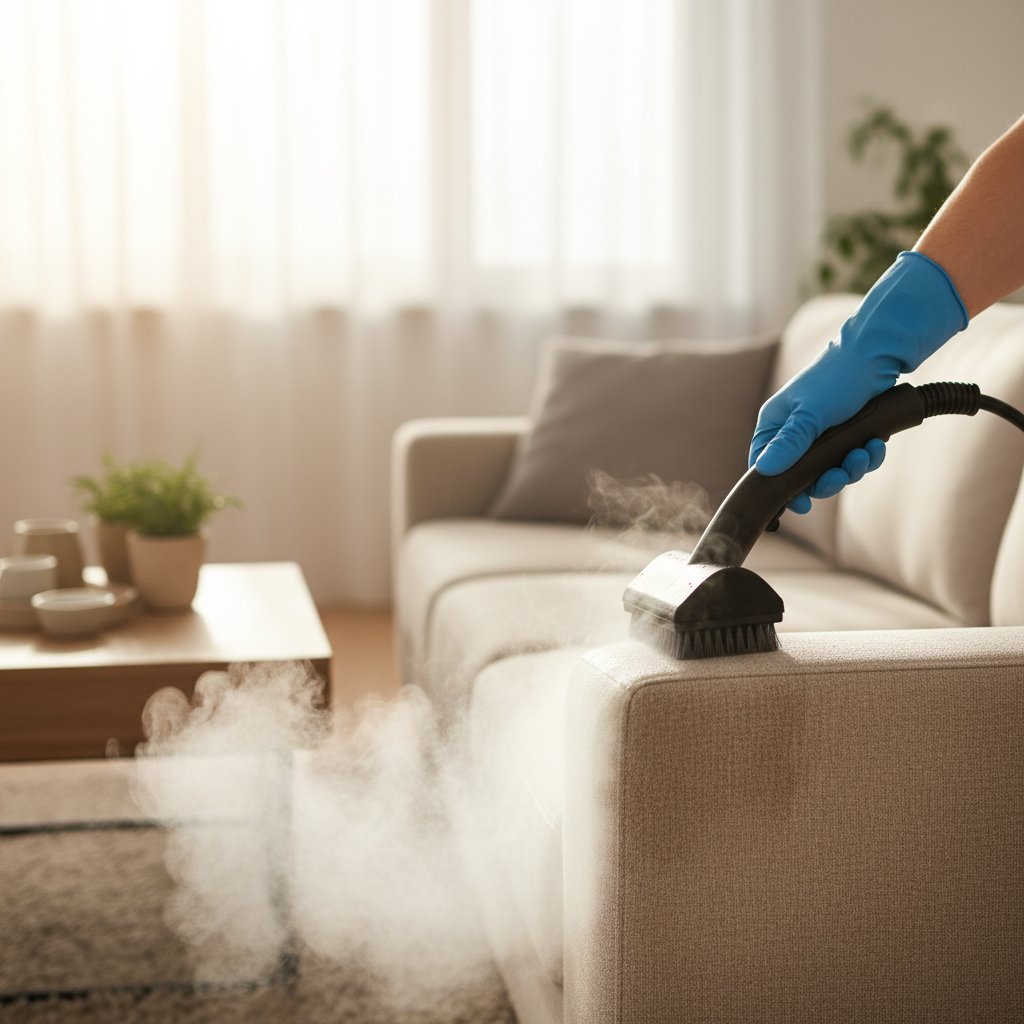
Singapore's cleaning industry has transformed dramatically over the past year. Gone are the days of simply booking someone to mop your floors and call it a day. The sector's gotten smarter, greener, and frankly, a lot more interesting than you'd expect from an industry built around removing dust bunnies.
After chatting with industry insiders and watching how Singaporean households actually clean their homes in 2024, here's what's genuinely shifted—and what actually delivers results.
What's Actually Changed in Singapore's Cleaning Scene
1. Robot Vacuums Aren't Replacing Humans (Yet)
Everyone predicted 2024 would be the year robots took over cleaning. Plot twist: they haven't. Sure, about 40% of Singaporean households now own a robot vacuum, but these gadgets complement rather than replace professional cleaners. The robots handle daily maintenance while humans tackle the deep-clean work that requires actual judgment—like knowing whether that stain on your marble countertop needs gentle treatment or serious intervention.
The real change? Cleaning companies now schedule around your robot's routine. Some services specifically offer "robot-blind" cleaning—focusing on vertical surfaces, tight corners, and areas your Roomba ignores. It's a partnership model that actually makes sense, cutting service time by roughly 30% while maintaining thoroughness.
2. Pay-Per-Task Pricing Has Overtaken Hourly Rates
Hourly billing is dying fast. Most established companies shifted to task-based pricing in late 2023, and it's catching on because nobody wants to watch the clock while someone scrubs their bathroom. You'll now see packages like "3-room HDB deep clean" at $180 or "post-renovation cleanup" at $450, regardless of whether it takes three or five hours.
This transparency matters more than you'd think. Previously, a cleaner might stretch a two-hour job to three because, well, they're paid by the hour. Now they're incentivized to work efficiently. One Clementi-based service reported 25% fewer customer disputes after switching models. The pricing's clearer, expectations are set upfront, and everyone's happier.
3. Green Cleaning Isn't Just Marketing Fluff Anymore
Eco-friendly cleaning used to mean watered-down products that barely worked. Not anymore. Singapore's National Environment Agency tightened regulations on VOC emissions in cleaning products starting January 2024, forcing companies to reformulate or switch suppliers entirely.
The surprise? These products actually perform better in Singapore's humidity. Enzyme-based cleaners tackle mold more effectively than traditional bleach without the lung-burning fumes. Microfiber technology has improved to the point where you need 60% less chemical product for the same results. Companies charging a "green premium" are getting called out quickly on social media, so most have normalized eco-products at standard rates. A typical 4-room condo clean now uses products that would've been considered "premium eco" just two years ago.
4. Booking Windows Have Shrunk to 24 Hours
Remember when you'd book a cleaner two weeks out? Those days are fading. The gig economy model has infiltrated professional cleaning, with platforms connecting available cleaners to last-minute requests. About 35% of bookings now happen within 48 hours of the actual service.
This works because companies finally cracked the scheduling algorithm puzzle. They're matching cleaners based on location proximity, specific skill sets, and real-time availability. Got a wine stain emergency before your in-laws visit tomorrow? You can actually get someone who specializes in fabric treatment at your Tiong Bahru apartment by 2pm. The catch: expect to pay 15-20% more for same-day service, though most people find it worth avoiding family judgment.
5. Specialist Services Have Exploded
General cleaning still exists, but 2024's where niche services really took off. Mattress deep-cleaning using UV sterilization and extraction methods runs about $80-120 per mattress and books out weeks in advance. Aircon chemical overhauls—not just basic servicing—have become quarterly rituals for households serious about air quality.
Kitchen hood deep-cleaning emerged as its own category after several viral TikToks showed the horrifying buildup inside typical hoods. These specialists charge $150-200 but prevent potential fire hazards and improve ventilation dramatically. Even shoe cleaning services exist now, with some charging $15-30 per pair for sneaker restoration. If there's a surface in your home, someone's probably specializing in cleaning it.
6. Verification and Vetting Got Serious
Background checks became standard after several high-profile incidents in 2023. Reputable companies now verify every cleaner's work history, conduct police background checks, and maintain insurance coverage up to $100,000 for damages or theft. This isn't optional anymore—it's the baseline.
The smarter move? Companies are publishing these verification details upfront. You'll see cleaner profiles showing years of experience, specific training certifications (like heritage furniture care or biohazard cleaning), and actual customer ratings from verified bookings. The transparency builds trust that generic "professional team" claims never could.
7. Subscription Models Actually Make Financial Sense Now
Monthly cleaning subscriptions dropped in price by about 20% compared to 2023 rates, making them genuinely cost-effective. A bi-weekly cleaning plan for a typical 4-room HDB runs $240-280 monthly versus $160-180 per one-off session. Do the math: you're saving roughly $80-100 monthly while maintaining consistent cleanliness.
The retention perks matter too. Subscribers get priority booking during peak periods (hello, Chinese New Year), waived rescheduling fees, and the same cleaner each visit—which means they learn your preferences and work faster. Some companies throw in quarterly add-ons like window cleaning or upholstery treatment. It's structured like a gym membership, except you actually use it.
What Still Works (And Probably Always Will)
Despite all these changes, some fundamentals haven't budged. Word-of-mouth referrals still drive 60% of new bookings because people trust their neighbor's recommendation more than any algorithm. Showing up on time remains the single biggest factor in customer satisfaction—revolutionary, right? And weirdly, cleaners who bring their own supplies (rather than using yours) consistently get higher ratings, probably because homeowners worry about products being used incorrectly.
The companies thriving in 2024 aren't necessarily the ones with the flashiest apps or cheapest rates. They're the ones who've figured out that cleaning someone's home requires both technical skill and emotional intelligence. That hasn't changed. It probably never will.